Cancer care today has evolved significantly, with advanced therapies improving survival and outcomes. However, an important clinical intersection that often requires careful attention is the management of diabetes during cancer treatment. This is not just a co-existing condition—it is a dynamic factor that can directly influence treatment tolerance, recovery, and overall prognosis.
One of the key aspects of cancer therapy is the use of steroids. Steroids are routinely administered to manage side effects such as inflammation, nausea, and allergic reactions associated with chemotherapy and other treatments. While clinically essential, steroids have a well-established impact on blood glucose levels, often causing significant spikes. For patients who are already diabetic, this can lead to uncontrolled hyperglycaemia. Even in non-diabetic individuals, steroid-induced hyperglycaemia is not uncommon.
What makes this situation particularly complex is the transient nature of these glucose fluctuations. Blood sugar levels may rise sharply during steroid administration and then stabilise once the dose is tapered or stopped. This requires a highly individualised and adaptive approach to diabetes management. In many cases, oral medications may not suffice, and temporary insulin therapy becomes necessary to maintain optimal glycaemic control. Importantly, insulin may only be required during specific phases of treatment and can often be tapered off once steroid use is reduced.
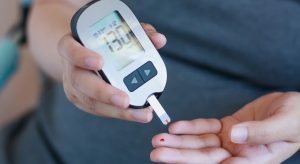
This underscores the need for frequent monitoring and close clinical follow-up. Regular glucose tracking allows for timely adjustments in medication, ensuring that blood sugar levels remain within a safe range. Effective glycaemic control is not just about managing diabetes—it plays a crucial role in enhancing the efficacy of cancer treatment, reducing complications, and supporting overall recovery.
Equally important is the role of lifestyle management during this phase. Cancer patients often experience reduced appetite, fatigue, and treatment-related side effects that impact nutritional intake. Despite this, maintaining a balanced, protein-rich, and high-fibre diet is essential. Soft, easily consumable options such as mashed vegetables combined with adequate protein sources can help meet nutritional needs without overwhelming the patient. It is advisable to avoid simple carbohydrates like refined porridges and fruit juices, which can cause rapid spikes in blood sugar levels.
Another critical concern during cancer treatment is cachexia—a condition characterised by significant muscle loss due to both the disease and its treatment. This further reinforces the importance of adequate protein intake to preserve muscle mass, strength, and functional capacity.
Beyond the physical aspects, the psychological impact of cancer cannot be underestimated. Stress, anxiety, and disrupted sleep patterns are common and can further destabilise blood sugar control. Poor sleep and emotional distress can create a cycle that affects both metabolic health and treatment outcomes.
In essence, managing diabetes during cancer treatment requires a multidisciplinary, patient-centric approach. It involves not just medication adjustments, but also careful attention to nutrition, mental well-being, and continuous monitoring. When addressed holistically, this integrated approach can significantly improve both treatment response and quality of life for patients navigating this complex journey.