
Expert cardiac care led by Dr. Praneeth Suryadevara, offering everything from preventive heart health assessments to advanced coronary and structural heart interventions. Receive specialist-led, evidence-based treatment with direct access to some of the most advanced cardiac techniques available today.
Dr. Praneeth Suryadevara is a Consultant Interventional Cardiologist (MD, DM) trained at Sri Jayadeva Institute of Cardiovascular Sciences and Research, Bengaluru — one of India’s most respected centres for advanced cardiac care. He completed his MD in General Medicine at Andhra Medical College, Visakhapatnam, and his MBBS at Rangaraya Medical College, Kakinada. His training spans the full spectrum of modern cardiology, from preventive heart health and complex coronary artery disease to advanced structural heart and rhythm interventions.
In addition to his consultations at Spashta Healthcare, Dr. Praneeth performs advanced cardiac procedures at Apollo Hospital, Bannerghatta Road. His areas of expertise include complex coronary angioplasty, stentless angioplasty using drug-coated balloon technology, intravascular image-guided interventions (IVUS and OCT), structural heart procedures such as TAVI and TMVR, leadless pacemakers, physiological pacing, and the prevention of sudden cardiac death. He is particularly recognised for managing challenging cardiac cases that require both technical precision and long-term strategic planning.
What distinguishes Dr. Praneeth’s practice is his belief that great cardiology begins long before a procedure becomes necessary. He places strong emphasis on early diagnosis, preventive assessment, and helping patients understand their condition well enough to participate confidently in treatment decisions. Known for his clear explanations and evidence-based approach, he combines advanced interventional expertise with a commitment to continuity of care. Beyond the clinic, he has actively led community CPR awareness and training initiatives across South Bengaluru, reflecting his belief that cardiac safety should extend beyond hospitals and into the communities where people live and work.
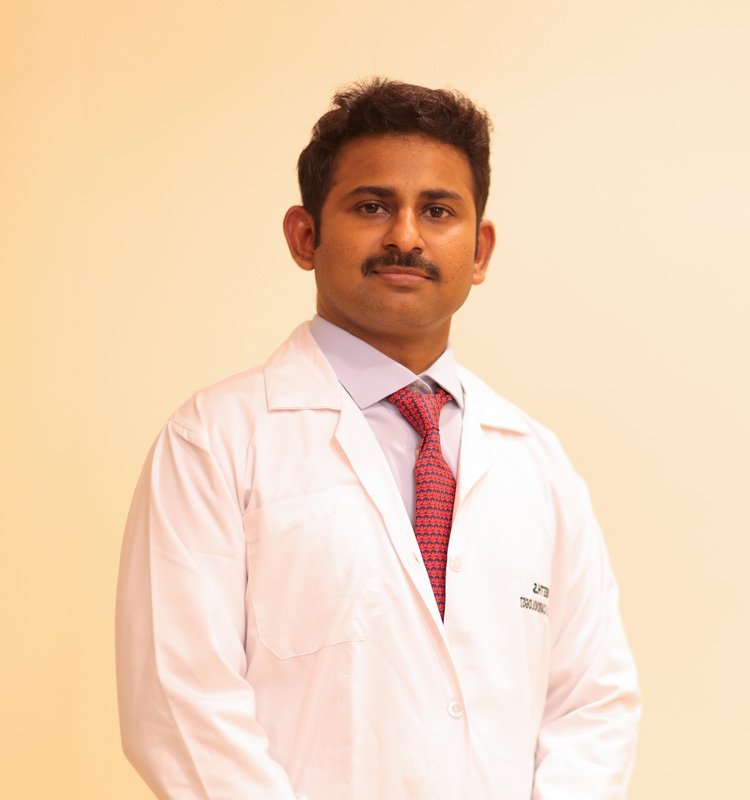
Dr. Praneeth Suryadevara
Consultant Interventional Cardiologist MD, DM (Cardiology)
Sri Jayadeva Institute of Cardiology, Bengaluru
Andhra Medical College, Visakhapatnam
Rangaraya Medical College, Kakinada
Interventional Cardiology | Structural Heart Interventions | Complex Coronary Angioplasty
Apollo Hospital, Bannerghatta Road, Bengaluru
Coronary artery disease remains one of the leading causes of heart attacks and long-term cardiac complications. Modern interventional cardiology has transformed the way these conditions are treated, allowing many patients to avoid major surgery and benefit from faster recovery, greater precision, and improved long-term outcomes. Dr. Praneeth’s primary clinical strength lies in advanced coronary interventions, offering access to some of the most sophisticated catheter-based treatment techniques available today.
For decades, angioplasty has involved opening a blocked artery and placing a permanent metal stent. Stentless angioplasty uses drug-coated balloon technology to treat selected blockages without leaving any implant behind. For appropriate patients, this approach can reduce long-term stent-related concerns while maintaining outcomes.
When a stent is clinically necessary, bioresorbable stents offer an advanced alternative to traditional permanent metal stents. These devices provide support during the healing phase and gradually dissolve over time, helping restore the artery's natural flexibility while avoiding a lifelong implant.
Intravascular Ultrasound (IVUS) and Optical Coherence Tomography (OCT) allow detailed imaging from inside the artery itself. These advanced technologies help determine the exact nature of a blockage, optimise treatment planning, improve stent placement accuracy, and confirm procedural success before completion.
For patients experiencing an acute heart attack, rapid restoration of blood flow is critical. Primary angioplasty is the gold-standard emergency treatment and is performed with a focus on speed, precision, and evidence-based decision-making to minimise heart muscle damage and improve long-term recovery.
Not all coronary blockages are straightforward. Dr. Praneeth manages highly complex coronary disease, including chronic total occlusions (CTO), calcified arteries, bifurcation lesions, and multi-vessel disease. These cases often require advanced planning, specialised techniques, and extensive interventional expertise.
Some patients require coronary intervention despite severely weakened heart function. In selected high-risk cases, mechanical circulatory support devices such as the Intra-Aortic Balloon Pump (IABP) and Impella may be used to temporarily assist the heart during treatment, allowing complex procedures to be performed more safely.
A coronary angiogram remains the foundation for diagnosing heart artery disease. This minimally invasive procedure provides detailed information about the location and severity of blockages, helping guide treatment decisions and ensuring patients receive clear recommendations based on accurate findings.
Dr. Praneeth's team has performed the highest number of stentless angioplasty cases in India, supported by more than three years of focused clinical experience using drug-coated balloon technology. For patients who have been advised to undergo stenting, a consultation can help determine whether stentless angioplasty may be a suitable alternative.
Structural heart disease involves problems affecting the heart’s valves, chambers, or internal structures rather than the coronary arteries themselves. Many conditions that once required open-heart surgery can now be treated through minimally invasive catheter-based procedures, offering shorter recovery times and reduced procedural risk. Dr. Praneeth provides comprehensive evaluation and advanced treatment planning for patients requiring structural heart interventions.
Transcatheter Aortic Valve Implantation (TAVI) is a minimally invasive treatment for severe aortic stenosis. Instead of open-heart surgery, a replacement valve is delivered through a catheter and positioned inside the diseased valve. This approach has transformed care for elderly patients and those who may not be suitable candidates for conventional surgery.
Aortic stenosis requires careful long-term planning rather than a single procedural decision. Dr. Praneeth approaches every patient with a lifetime management strategy, considering current treatment needs while preserving future options through appropriate valve selection, ongoing surveillance, and long-term follow-up.
Transcatheter Mitral Valve Replacement (TMVR) offers a catheter-based treatment option for selected patients with mitral valve disease who are not suitable candidates for traditional surgery. These complex cases require detailed assessment and multidisciplinary planning to achieve the best possible outcomes.
Patent Foramen Ovale (PFO) and Atrial Septal Defect (ASD) are openings between the upper chambers of the heart that can sometimes contribute to symptoms or increase the risk of stroke. These defects can often be closed using catheter-based devices without the need for surgical incisions, allowing patients to recover more quickly.
Right and left heart catheterisation provide valuable information about pressures within the heart chambers and major blood vessels. These diagnostic procedures play an important role in evaluating structural heart disease, planning interventions, and assessing patients with advanced heart failure or complex cardiac conditions.
The heart depends on a highly coordinated electrical system to maintain a normal rhythm and pump blood effectively. When this electrical system is disrupted, patients may experience symptoms ranging from palpitations and dizziness to serious rhythm disorders that increase the risk of stroke or sudden cardiac arrest. Dr. Praneeth provides advanced rhythm evaluation, device therapy, and long-term management for patients with both common and complex cardiac rhythm conditions.
Permanent pacemakers are used to treat patients whose hearts beat too slowly or experience conduction abnormalities that interfere with normal rhythm. These devices help restore reliable electrical signalling and improve symptoms such as fatigue, dizziness, and fainting.
Leadless pacemakers represent one of the most significant advances in cardiac rhythm management. Unlike conventional systems, these small capsule-sized devices are implanted directly within the heart through a catheter, eliminating the need for surgical pockets and pacing leads while reducing long-term device-related complications.
Physiological pacing techniques aim to preserve the heart's natural electrical activation pathway. By stimulating the conduction system directly, these approaches can produce a more natural heartbeat and help maintain long-term heart function compared to conventional pacing methods in selected patients.
Implantable Cardioverter Defibrillators (ICDs) are life-saving devices for patients at increased risk of sudden cardiac arrest. These devices continuously monitor heart rhythm and can deliver immediate treatment if a dangerous arrhythmia occurs, helping prevent sudden cardiac death in high-risk individuals.
Atrial fibrillation is the most common sustained heart rhythm disorder and a major contributor to stroke risk. Dr. Praneeth provides comprehensive management that includes rhythm control, heart rate optimisation, stroke prevention, medication management, and evaluation for advanced therapies when required.
Most patients with high blood pressure can be managed effectively through lifestyle changes and medication. However, a small group continue to have uncontrolled blood pressure despite taking multiple medications and following treatment recommendations. Dr. Praneeth provides advanced evaluation and specialised treatment options for patients whose cardiovascular risk requires a more comprehensive approach.
Persistent high blood pressure should never be dismissed as simply needing another medication. Dr. Praneeth performs detailed assessment for patients whose blood pressure remains uncontrolled, including risk factor evaluation, screening for secondary causes of hypertension, ambulatory blood pressure monitoring, and assessment for target organ damage. The goal is to identify the underlying reason treatment is not achieving the desired result.
Renal denervation is a catheter-based procedure designed for carefully selected patients with resistant hypertension. The treatment works by reducing abnormal nerve signalling between the kidneys and the brain, helping lower blood pressure when conventional treatment alone has not been sufficient. As one of the newest evidence-based therapies for difficult-to-control hypertension, renal denervation provides an additional option for eligible patients seeking better long-term blood pressure control.
Not every heart consultation begins with a complex procedure. Most start with a symptom, a concern, a family history, or a routine health check. Spashta Healthcare is designed to provide accessible specialist cardiac care for patients seeking early diagnosis, preventive assessment, and long-term heart health management. Dr. Praneeth combines advanced cardiology expertise with practical everyday care, helping patients identify risks early and make informed decisions before serious problems develop.
Many heart conditions develop silently over years before symptoms appear. Regular cardiac assessments help identify risk factors early, allowing preventive action before a heart attack, stroke, or other serious complication occurs. Preventive evaluations are particularly valuable for patients with diabetes, hypertension, obesity, smoking history, or a family history of heart disease.
Recovery after a heart attack extends far beyond the initial hospital treatment. Dr. Praneeth provides structured follow-up focused on preventing recurrence, optimising medications, monitoring recovery, and helping patients safely return to daily life while reducing future cardiovascular risk.
Heart failure occurs when the heart is unable to pump blood as efficiently as the body requires. Effective management involves careful monitoring, evidence-based medications, lifestyle optimisation, and regular assessment. Dr. Praneeth develops personalised treatment plans designed to improve symptoms, reduce hospitalisations, and enhance quality of life.
High blood pressure remains one of the most important and under-recognised contributors to heart disease. Effective management requires more than occasional readings. Dr. Praneeth evaluates overall cardiovascular risk, identifies contributing factors, and develops treatment strategies aimed at achieving long-term blood pressure control.
Understanding personal cardiac risk allows patients to make informed decisions about prevention and treatment. Through clinical evaluation, risk factor analysis, and appropriate diagnostic testing, Dr. Praneeth helps patients understand their current cardiovascular health and identify steps that can reduce future risk.
Accurate diagnosis is the foundation of effective cardiac care. Spashta Healthcare provides a range of essential cardiac investigations on-site, allowing patients to receive specialist consultation, diagnostic testing, and treatment planning within a single visit. These investigations help identify heart disease early, assess cardiovascular risk, and guide decisions about further treatment or intervention.
An Electrocardiogram (ECG) records the electrical activity of the heart and is often the first step in evaluating symptoms such as chest pain, palpitations, dizziness, or shortness of breath. It can help detect rhythm disorders, previous heart damage, and other cardiac abnormalities.
A 2D Echocardiogram (ECHO) uses ultrasound technology to assess the structure and function of the heart. It provides detailed information about heart chambers, valves, pumping function, and blood flow, making it an essential tool for diagnosing a wide range of cardiac conditions.
The Treadmill Test (TMT) evaluates how the heart performs during physical exertion. It is commonly used to assess symptoms that occur with activity, identify exercise-induced abnormalities, and evaluate the likelihood of underlying coronary artery disease.
Blood pressure monitoring helps assess cardiovascular risk and evaluate the effectiveness of ongoing treatment. Regular monitoring is particularly important for patients with hypertension, diabetes, kidney disease, or other conditions that increase the risk of heart disease.
Cardiac risk profiling combines clinical assessment with evaluation of major cardiovascular risk factors, helping identify individuals who may benefit from preventive intervention. This allows patients to understand their current heart health status and take proactive steps to reduce future risk.
A consultation with Dr. Praneeth may be valuable whether you are experiencing symptoms, managing an existing heart condition, seeking preventive cardiac care, or exploring advanced treatment options.
Stentless angioplasty uses drug-coated balloon technology to open a blocked artery without leaving a permanent metal stent behind. It is suitable for selected patients, particularly those with smaller arteries, specific anatomical profiles, or certain clinical conditions. The only way to determine whether it is right for you is through a detailed consultation and imaging review. Dr. Praneeth’s team has performed the highest number of stentless angioplasty cases in India.
A conventional drug-eluting stent is a permanent metal scaffold that remains inside the artery for life. A bioresorbable stent provides support during the healing period and then gradually dissolves over time, helping restore the artery’s natural flexibility and function. Bioresorbable stents represent one of the latest advances in interventional cardiology.
TAVI (Transcatheter Aortic Valve Implantation) is a minimally invasive procedure in which a new aortic valve is delivered through a catheter, typically inserted through the leg, rather than through open-heart surgery. There is no chest opening and recovery is significantly faster. For many elderly patients and those with additional medical conditions, TAVI has become an effective alternative to conventional valve surgery.
A leadless pacemaker is a small capsule-sized device implanted directly inside the heart through a catheter. Unlike traditional pacemakers, it requires no chest incision, no pacing leads, and leaves no visible device under the skin. For suitable patients, it can reduce many of the long-term complications associated with conventional pacemaker systems.
Traditional pacemakers stimulate the heart from the right ventricle, which may not fully replicate the heart’s natural electrical activation pattern. Physiological pacing techniques, including His bundle pacing and left bundle branch area pacing, stimulate the heart through its natural conduction system, helping preserve more natural heart function over time.
No. Most consultations, follow-up appointments, and routine cardiac diagnostics can be performed at Spashta Healthcare. Hospital visits are generally only required for advanced imaging, specialised procedures, or hospital admission, and Dr. Praneeth coordinates that pathway when necessary.
No referral is required. Patients can book an appointment directly or walk in for consultation, making specialist cardiac care more accessible and convenient.
Yes. Many patients choose to complete routine consultations, medication reviews, and follow-up evaluations at Spashta Healthcare. Hospital visits can then be reserved for procedures, advanced imaging, or inpatient care when required.
Absolutely. Preventive cardiac assessment is often far more effective than waiting for symptoms to develop. If you are over 35 or have risk factors such as diabetes, hypertension, smoking, obesity, or a family history of heart disease, a cardiac evaluation can help identify potential concerns before they become serious problems.
Spashta Healthcare is located in BTM Layout, off Bannerghatta Road — conveniently accessible from HSR Layout, Jayanagar, JP Nagar, Koramangala, Bommanahalli, Hongasandra, Bilekahalli, Hulimavu, Arekere, Sarjapur Road, and across South and Central Bengaluru.
Morning and evening appointments are available. You get direct, unhurried access to one of Bengaluru’s most advanced interventional cardiologists — close to home.
WhatsApp us