One of the most common questions I encounter in clinical practice is deceptively simple: “Doctor, what tests should a healthy person do every year?” Unfortunately, the answer is not as straightforward as many health packages suggest. In India, routine testing is often either excessive or inadequate—driven more by fear or marketing than by medical rationale.
Unlike some Western countries where population-level screening is tightly aligned with cost-effectiveness and disease prevalence, India currently lacks uniform national screening guidelines for asymptomatic individuals. While bodies like the Indian Association of Physicians (API), ICMR, and various specialty societies have issued recommendations, these are still evolving. Until clearer national frameworks emerge, a practical, risk-based approach is far more meaningful than blanket testing.
- Diabetes: Start Earlier, Test Smarter
The WHO recommends diabetes screening every three years starting at age 40. However, India carries one of the world’s highest burdens of type 2 diabetes, with over 101 million adults affected (ICMR–INDIAB Study, 2023). Given rising insulin resistance at younger ages, screening should realistically begin by age 30 in Indians.
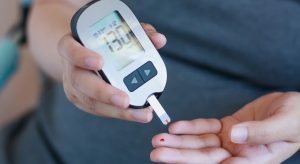
An annual HbA1c is a reasonable and cost-effective test. Importantly, weight alone is misleading. Truncal (central) obesity—regardless of whether a person is overweight or underweight—is a strong risk factor. As a broad clinical marker, body weight above 90 kg in men and 80 kg in women should prompt evaluation, though waist circumference is often a better indicator.
- Thyroid Disorders: Test When There’s a Reason
There is no recommendation for routine thyroid screening in the general population. Testing should be targeted, especially in individuals with:
A strong family history of thyroid disease
Known autoimmune conditions
Previously positive thyroid antibodies
Unnecessary testing often leads to borderline values that cause anxiety without changing outcomes.
- Cardiac Screening: Symptoms and Risk Matter
Routine cardiac testing in asymptomatic individuals is poorly supported by evidence. Investigations such as TMT or echocardiography should be reserved for those with:
Strong family history of premature heart disease
Multiple risk factors (diabetes, smoking, hypertension)
Typical or exertional symptoms
Advanced imaging like CT coronary angiography should be done only when prescribed by a specialist, not as part of routine screening.
- Fatty Liver Disease: Avoid Both Trivialisation and Overreaction
Non-alcoholic fatty liver disease (NAFLD) is closely linked to obesity and insulin resistance. However, routine ultrasound reports stating “fatty liver” are often unhelpful. What matters is disease severity, not mere presence of fat.
Screening should be considered primarily in those with obesity, diabetes, or family history of liver disease. Tools like fibrosis assessment (FibroScan or validated scores) provide far more actionable insight and may be done annually when indicated.
- Hypertension: Simple, Regular, Essential
Blood pressure measurement remains one of the most powerful and non-invasive screening tools. Adults should have their BP checked at least annually, or during any healthcare visit. Hypertension is common, silent, and easily missed.
The Bigger Picture
Testing is meant to confirm that things are going well and to enable early detection, not to induce panic or create unnecessary fear. Thoughtful, evidence-based screening—guided by age, risk factors, and Indian disease patterns—serves patients far better than indiscriminate testing.
In healthcare, more tests do not always mean better care. The right test, at the right time, for the right person—that is where prevention truly begins.